Tips ·
Surf for children: from what age, and how to choose a school
From age 5, with a ratio of 1 coach to 3 children. What surfing gives children, what to ask of a school, and signs a child is ready.
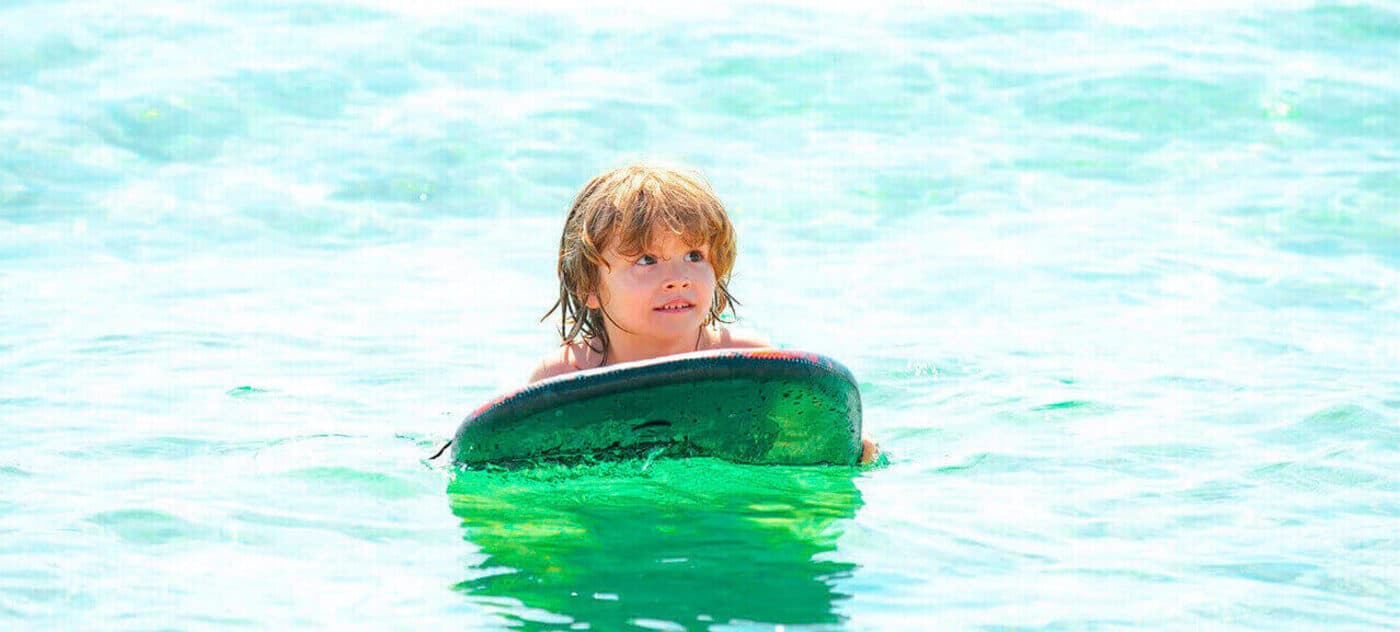
Surfing is one of the best activities a child can have: it combines outdoor exercise, contact with nature, independence and a huge amount of fun. But parents have legitimate questions. From what age? Is it safe? How do you choose a school? How do you know whether your child will enjoy it? In this article we answer all of that, based on years of teaching surf to children in Cascais, Lisbon and Sintra.
From what age can a child surf?
At our school, lessons for children start at 5 years old and go up to 12. From 13, young people join the regular lessons or the training, depending on their level. At 5, a child already has enough coordination to balance on a large surfboard in the whitewater, understands simple instructions and, above all, has fun. Before that, the best thing is to play in the water with their parents and get comfortable with the sea.
More important than age is the child's relationship with the water. A 6-year-old who loves the sea and can swim is better prepared than a 9-year-old who is afraid of the waves. That is why we do an individual assessment in the first lesson: ability to swim, confidence in the water, attention span. From there we put the groups together by age and level.
Why surfing is so good for children
- All-round exercise. Paddling works the arms, shoulders and back; standing up on the surfboard works the legs and the core; balance trains coordination.
- Self-esteem. Catching the first wave alone is a victory the child earns with their own body. We see it every week on their faces.
- Managing fear. The sea commands respect. Learning to deal with it, with support, teaches a child to face discomfort calmly.
- Patience and reading the world. In surfing you wait for the right wave. Children learn to watch, to wait and to decide.
- Nature and the environment. A child who grows up surfing grows up looking after the beach and the sea.
- Fewer screens. Two hours on the beach without a phone are worth their weight in gold.
Safety: what you should ask of a school
Safety is the reason the ratio of students per coach is the most important factor when choosing a surf school for children. A coach with ten children in the water cannot be beside all of them. At Origem the maximum ratio is 1 coach to 3 children, and the coach is in the water, standing, holding the surfboard and helping them catch each wave. As well as the ratio, check:
- Certified coaches with a Cédula de Treinador de Surfing (our team holds Grade I issued by the IPDJ, the Portuguese Institute of Sport and Youth).
- Personal accident insurance included.
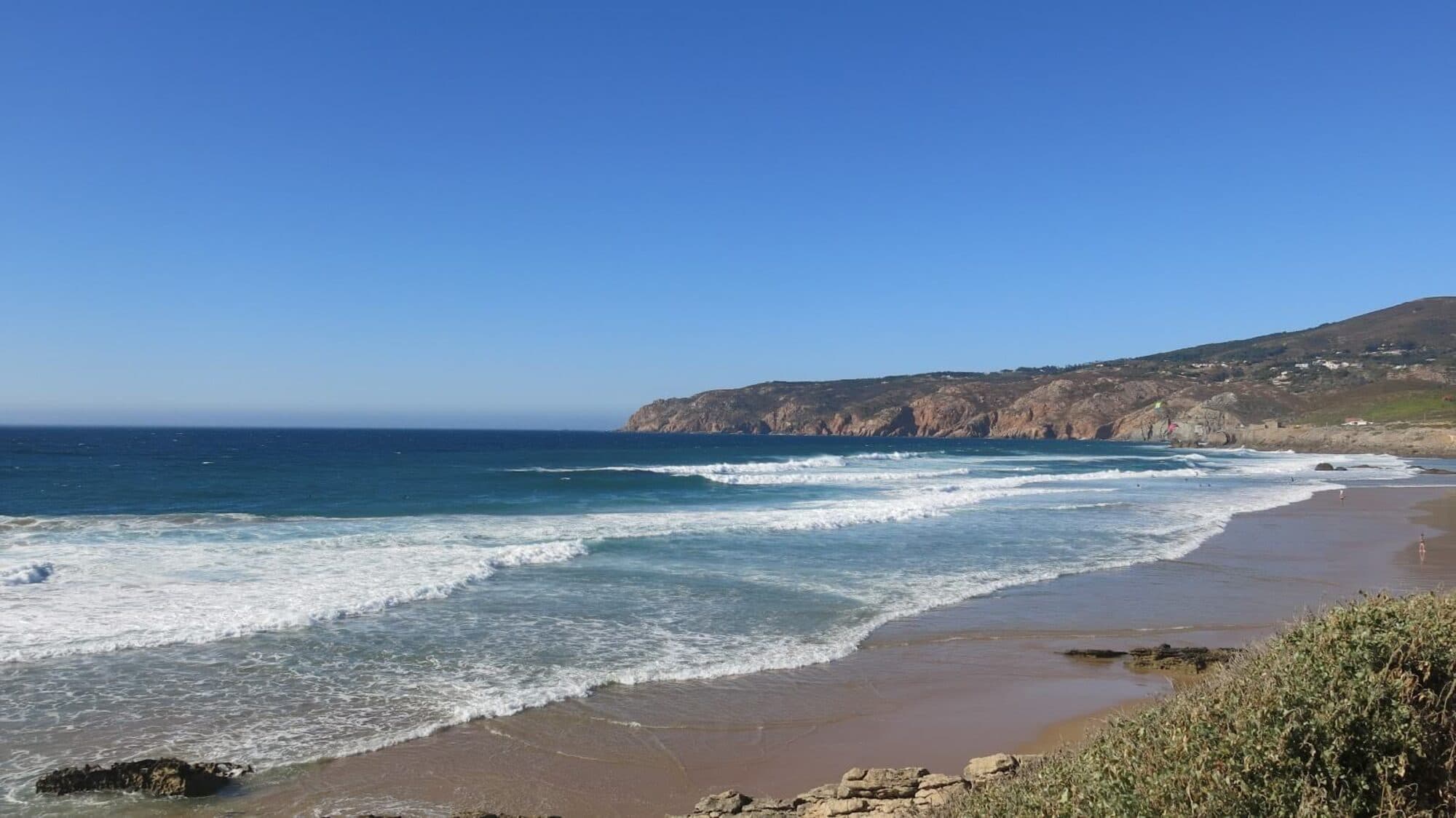
- The beach chosen according to the conditions: with children, lessons always take place where you can stand, on sandy beaches and with small waves. When the sea is big, we change beach or reschedule.
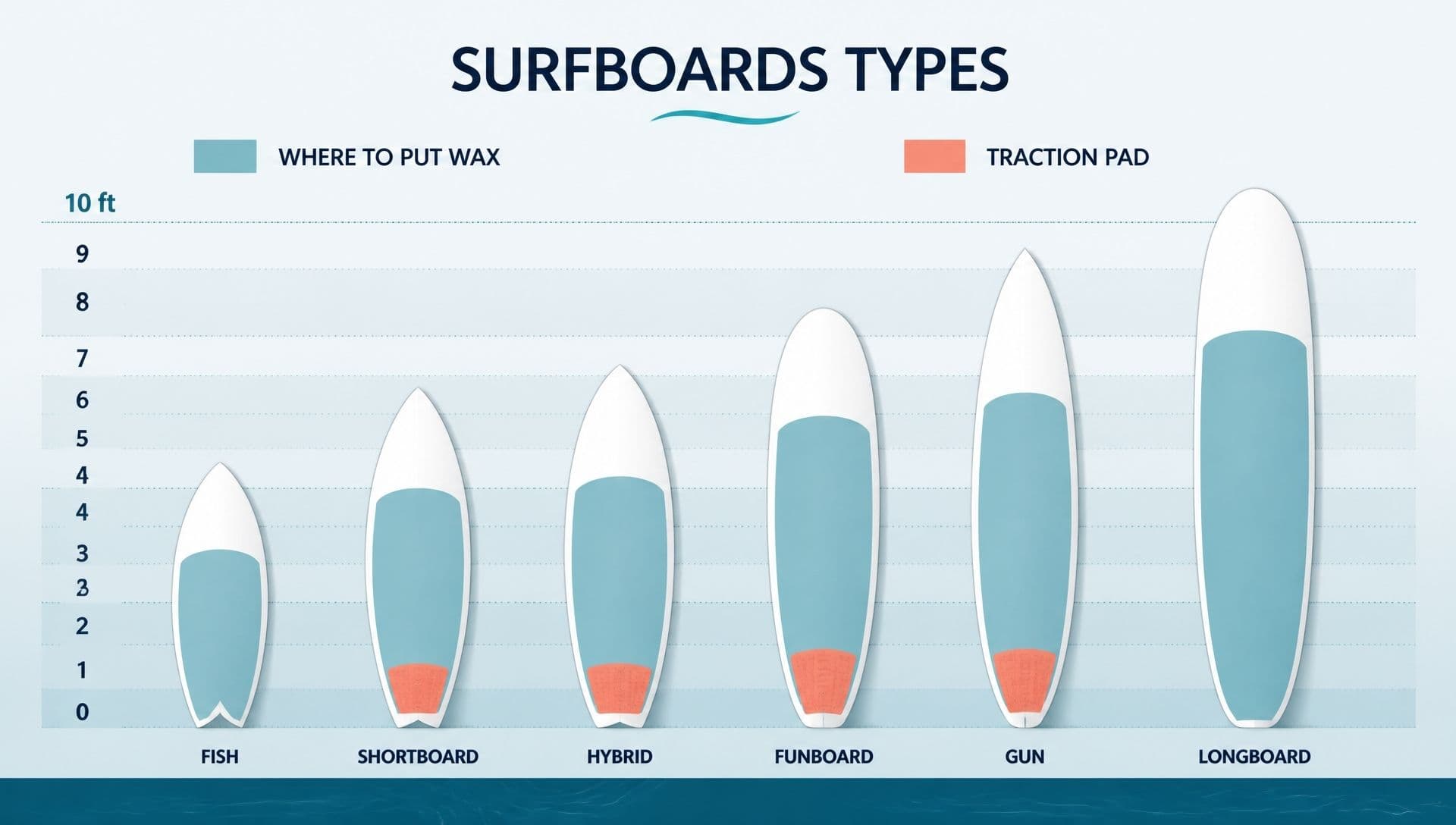
- Equipment suited to their size: small foam surfboards and children's wetsuits, not badly fitted adult wetsuits.
- A tourism animation company licence registered with Turismo de Portugal.
What our lessons for children are like
Lessons take place at the weekend, according to the tide and the best conditions of the day, and they last two hours. They start with warm-up games on the sand, move on to technique (lying down, paddling, standing up, all with plenty of repetition and play) and then go into the water, where each child catches waves with the coach beside them. The first lesson is an assessment. After that, each child is placed in a group with their age and their level.
In the school holidays we run surf clinics: a full week, from 6 to 16 years old, with surfing every day and, when the sea does not allow it, skateboarding, stand-up paddle and beach games. For many families it is the best way for a child to make real progress.
Signs that your child is ready
- They can swim and they like being in the water, even with small waves.
- They can follow simple instructions from an adult who is not their father or mother.
- They show curiosity: they ask about the waves, they watch the surfers, they ask to try.
- They can manage an hour and a half of physical activity without much frustration.
If there is still some reluctance, a private lesson or a lesson with a friend can be the perfect way to start.
Tips for parents on the day of the lesson
- Swimwear, sunscreen (applied beforehand) and water. We provide the rest. See our list of what to bring to the first lesson.
- A light breakfast and an hour and a half before going into the water.
- Stay on the beach and watch, but let the coach work. Children gain independence when parents are not giving instructions at the same time.
- At the end, celebrate the effort and not only the result. Some children take three lessons to stand up. They all get there.
Frequently asked questions
My child is 4. Can they try?
From the age of 5. Before that, the best preparation is playing in the sea with the family and learning to swim.
What ages are the groups?
We form groups by age range and level, usually 5 to 7, 8 to 10 and 11 to 12, with a maximum of three children per coach.
How much does it cost?
30 euros per lesson, 125 euros for the pack of 5 lessons and 80 euros for the monthly plan of one lesson a week, all with equipment included. The prices are on the children's lessons page.
Can parents take lessons at the same time?
Yes. Many families book an adult lesson at the same time, on the same beach. Talk to us through booking and we will arrange it.
Share