Tips ·
What to bring to your first surf lesson: the full list
Swimwear, sunscreen, water and little else. What to bring, what to leave at home, and how a first surf lesson actually runs.
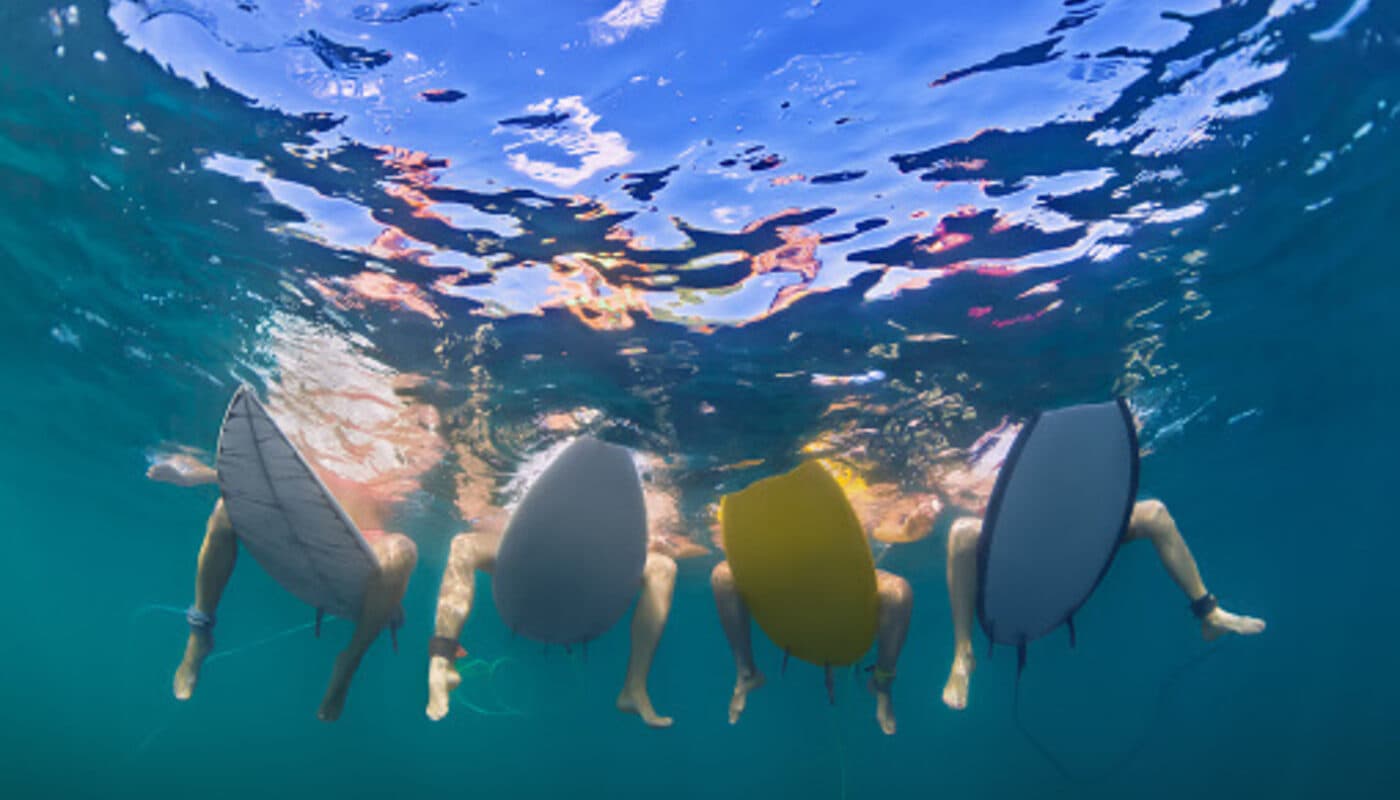
You have booked your first surf lesson and now you do not know what to bring? Good news: almost nothing. The technical equipment, which is the expensive and complicated part, is provided by the school. But there are half a dozen things that make the difference between a perfect morning and a morning spent shivering with cold or burning in the sun. We put this list together so you arrive at the beach relaxed and with everything you need.
What the school gives you
Every lesson at Origem Surf School includes the surf equipment:
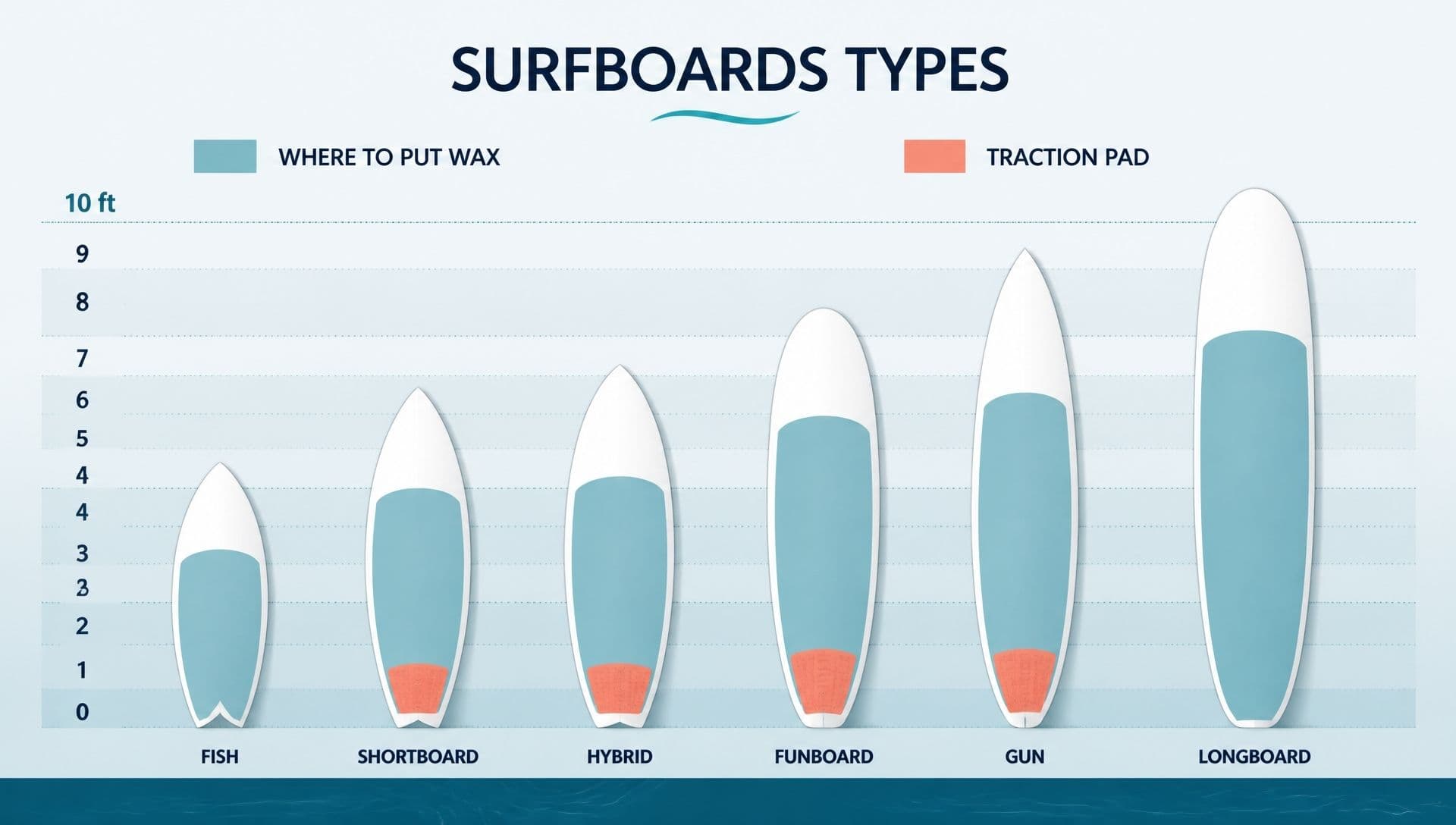
- Softboard surfboard. A foam board, large and stable, designed for learning. It floats a lot, it forgives mistakes and it does not hurt when it lands on someone.
- Wetsuit. With the right thickness for the time of year. We have sizes for adults and children.
- Leash. The cord that attaches the surfboard to your ankle and stops the board getting lost (and hitting another surfer).
- Wax. So you do not slip on the surfboard.
So you do not need to buy anything before you start. If later you want your own equipment, read our article on technical equipment for surfing.
The essential list
1. Swimwear
Wear your swimwear under the wetsuit. Choose something that fits closely: string bikinis and loose shorts are uncomfortable inside the neoprene and can come off on the first fall. A one-piece swimsuit or Lycra shorts work very well.
2. Sunscreen
The sun on the beach reflects off the water and burns even on cloudy days. Use a water-resistant factor 50 sunscreen on your face, neck, ears and the backs of your hands. Put it on 20 minutes before you go in. A zinc sunscreen stick on the face is what surfers use, because it does not run into the eyes.
3. Water
Two hours of lesson, with paddling, running on the sand and adrenaline, make you thirsty, even in winter. Bring a bottle. Avoid carbonated drinks and heavy meals before the lesson.
4. Towel and dry clothes
At the end of the lesson you will want to take the wetsuit off and get into dry clothes quickly, especially from October to May. A surf poncho (a hooded towel cut like a tunic) is the best invention yet for changing on the beach.
5. Flip-flops or sandals
For walking on the sand and in the car park. Leave your sports shoes in the car.
What is worth bringing (but is not required)
- A snack for afterwards. A piece of fruit, a cereal bar or a bread roll. You will come out of the water hungry.
- A hair tie. Loose long hair in the water covers your eyes at the wrong moment.
- Tissues and a bag for wet clothes.
- A warm jacket, in winter, to put on straight after the lesson.
- A neoprene hood, if you tend to get earache or if the lesson is on a windy winter day.
What to leave at home
- Jewellery, watches and glasses. They are lost in the sea in seconds. If you wear prescription glasses, talk to us; there are contact lenses and prescription swimming goggles.
- Your phone on the beach. If you come alone, leave it in the car or bring a dry bag. The school is not responsible for items left on the sand.
- Moisturiser or oils on your skin before the lesson. They make the surfboard and the wax slippery.
How to prepare on the day
Sleep well the night before and have a light breakfast an hour and a half beforehand: toast, fruit, yogurt. Arrive ten minutes early at the meeting point, which we send the day before. If you have any relevant health condition (asthma, ear problems, recent injuries), tell the coach before the lesson. And, very important: you do not need to be fit. A beginner surf lesson is open to anyone who can swim. The tiredness comes, but the coach manages the pace.
What the first lesson is like
To put the nerves to rest, this is what will happen:
- Introduction and reading the sea (10 minutes): where the currents are, where the waves break, safety rules.
- Warm-up and technique on the sand (20 minutes): how to lie on the surfboard, how to paddle, how to do the take-off (the movement of standing up).
- Water (about 75 minutes): first in the whitewater, with the coach beside you helping you catch the waves. Most people stand up in the first lesson.
- Review (10 minutes): what went well, what to practise next.
If you come with children, the process is the same, with smaller groups and plenty of games. See how our surf lessons for children work.
Frequently asked questions
Do I need to know how to swim?
Yes. You do not need to be a strong swimmer, but you must feel comfortable in the water and be able to swim a few metres. Beginner lessons take place where you can stand.
Can I use my own wetsuit or surfboard?
You can bring your own wetsuit if you prefer. For the surfboard, in the first lessons, we recommend that it be our softboard, for safety.
What if I cannot stand up?
It happens, and that is no problem. Catching waves lying down is already surfing. Most people stand up in the first or second lesson; after that, it is practice.
You have everything. All that is left is to book the lesson.
Share