Tips ·
How to read a wave forecast: swell, period, wind and tide, explained simply
Learn to read a wave forecast: swell height, period and direction, wind and tide, and how to pick the right time and peak.
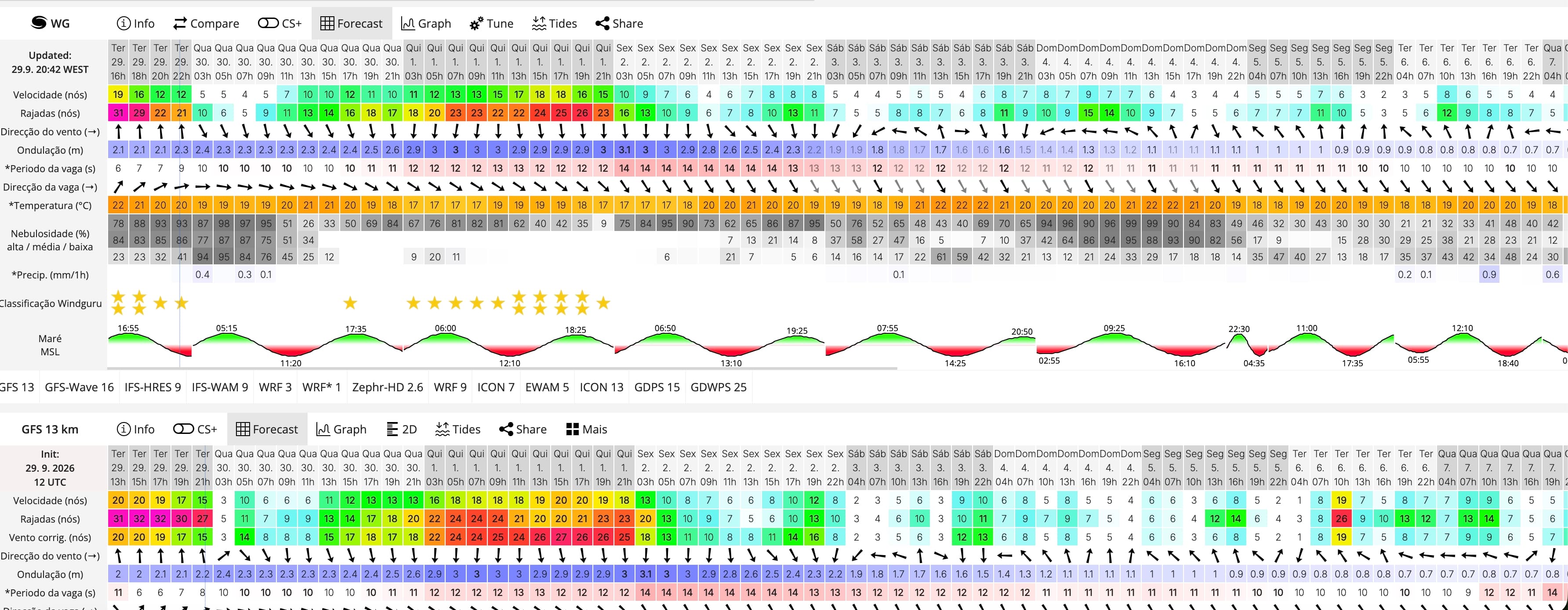
Have you ever arrived at the beach with "good waves" in the forecast and found a messy, unsurfable sea? A wave forecast looks complicated, but with a few basic ideas you can tell in a few minutes whether a day is good for you.
1. Wave height
It is the easiest measurement to read, and also the most misleading. The forecast height does not always match what you see on the beach, because it depends on the spot, the depth and the orientation.
As a guide: smaller waves are better for beginners. As you gain experience, you can look for days with more size.
2. Period (seconds between waves)
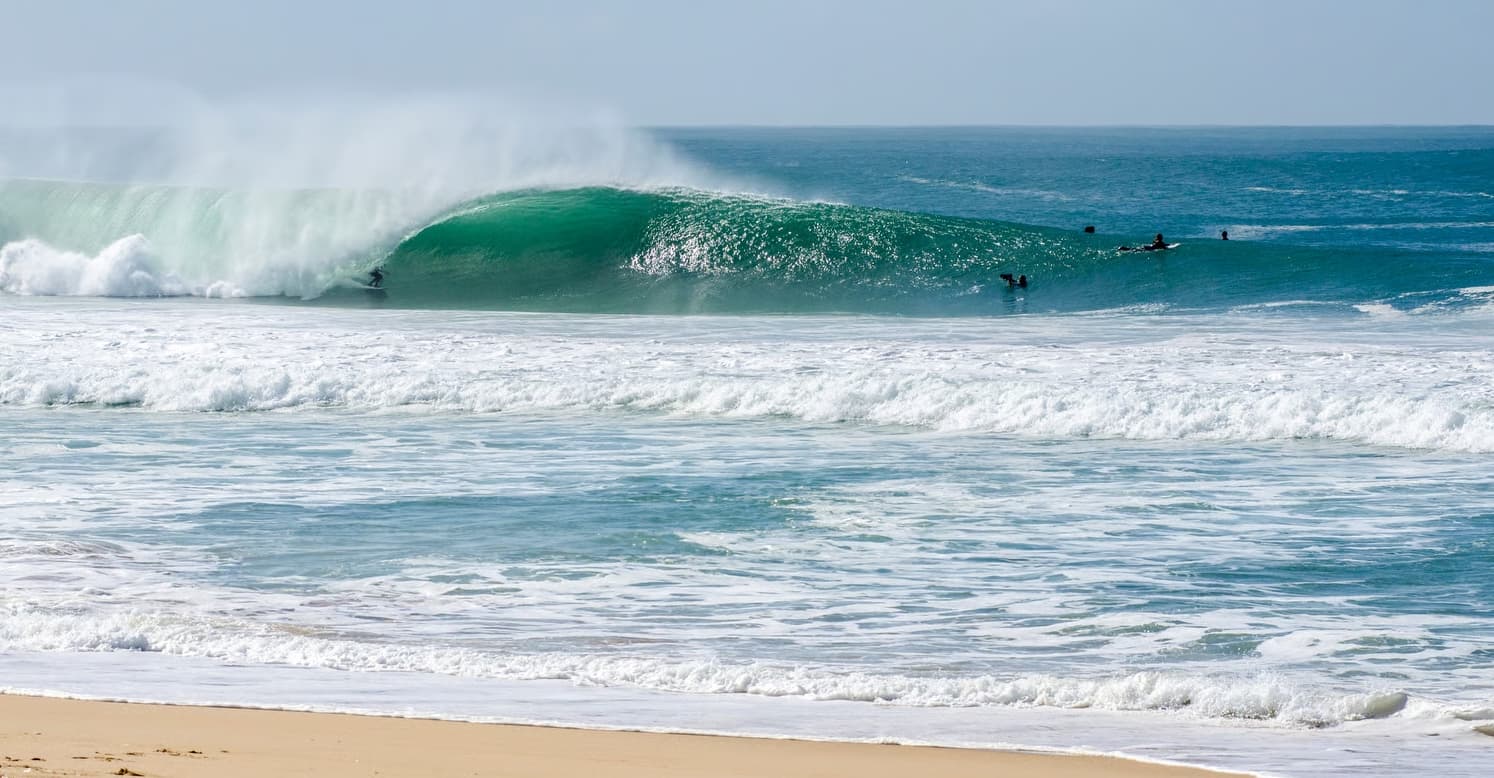
The period is the time between two consecutive waves. Longer periods mean swell from distant storms: more organised and more powerful. Short periods mean waves generated by local wind: messier and "weaker".
- Short period: less powerful, messier waves.
- Long period: stronger, better defined waves. Take care if you are starting out: a small wave with a long period can have much more force than it looks.
3. Swell direction
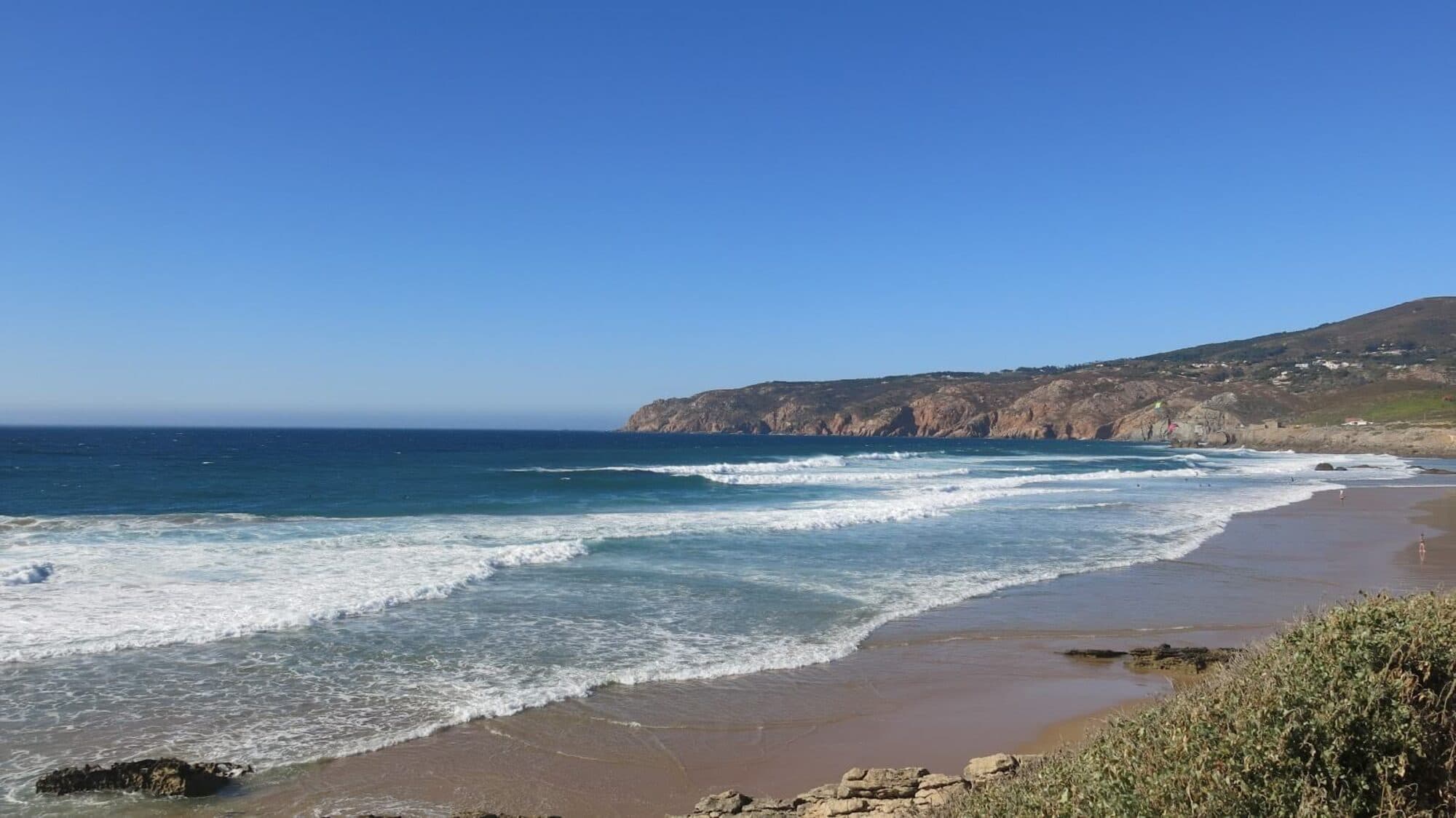
The direction the swell comes from decides which beaches receive it best. A beach exposed to the north works differently from one facing west. That is why the same swell can be excellent in Cascais and weak somewhere else. Over time you start to know the "signature" of each beach.
4. Wind
Wind is what changes wave quality the most:
- Offshore: wind that blows from the land towards the sea (that is, into the face of the waves). It grooms the surface and organises the waves. It is the ideal scenario.
- Onshore: wind that blows from the sea towards the land. It chops the surface and spoils the shape of the wave.
- Light wind, or none: "glassy" conditions, with the sea smooth as glass.
A practical rule: the first hours of the morning tend to have less wind and better conditions. A morning with a small sea and light wind is the perfect combination for a lesson.
5. Tides
The tide changes how waves break. On some beaches a low tide makes the waves faster and hollower. On others a high tide weakens them. Each peak has its preferred tide. On sandy beaches, such as Carcavelos, the difference is usually less dramatic than on a rocky bottom, but it is always worth watching.
Where to check
You can combine several sources: platforms such as Surfline or Windguru, IPMA bulletins and, of course, looking at the beach yourself. Arrive a few minutes early and watch the sea for 10 to 15 minutes before you go in: how many waves are in a set, where they break, and where the current is.
A short checklist before you paddle out
- Are the height and the period right for your level?
- Is the wind light or offshore?
- Does the tide suit this peak?
- Where are the currents?
- How many people are in the water? Remember the rules of etiquette.
Frequently asked questions
What is the best wave height for beginners?
Small waves that are easy to paddle into. The coach always reads the sea before the lesson.
What is the wave period?
It is the gap, in seconds, between two waves in a row. The longer it is, the more energy the swell has.
Which wind is better for surfing?
Offshore, which tidies the waves up. Light wind is excellent too.
Learn to read the sea with us
At Origem Surf School we choose the beach for each lesson from these variables. In our surf lessons you learn to do the same, so you become more independent.
Read next: The best beaches for learning to surf.
Share