Tips ·
A short history of surfing
Most surf historians agree that the ancient Polynesians, in particular Tahitians and Hawaiians, were the first to ride waves.
Most surf historians agree that the ancient Polynesians were the first to ride the waves, in particular the Tahitians and the Hawaiians, and that this activity spread as they migrated across the Pacific more than a thousand years ago.
Surfing reached its cultural zenith in Hawaii, where it became part of rites and legends.
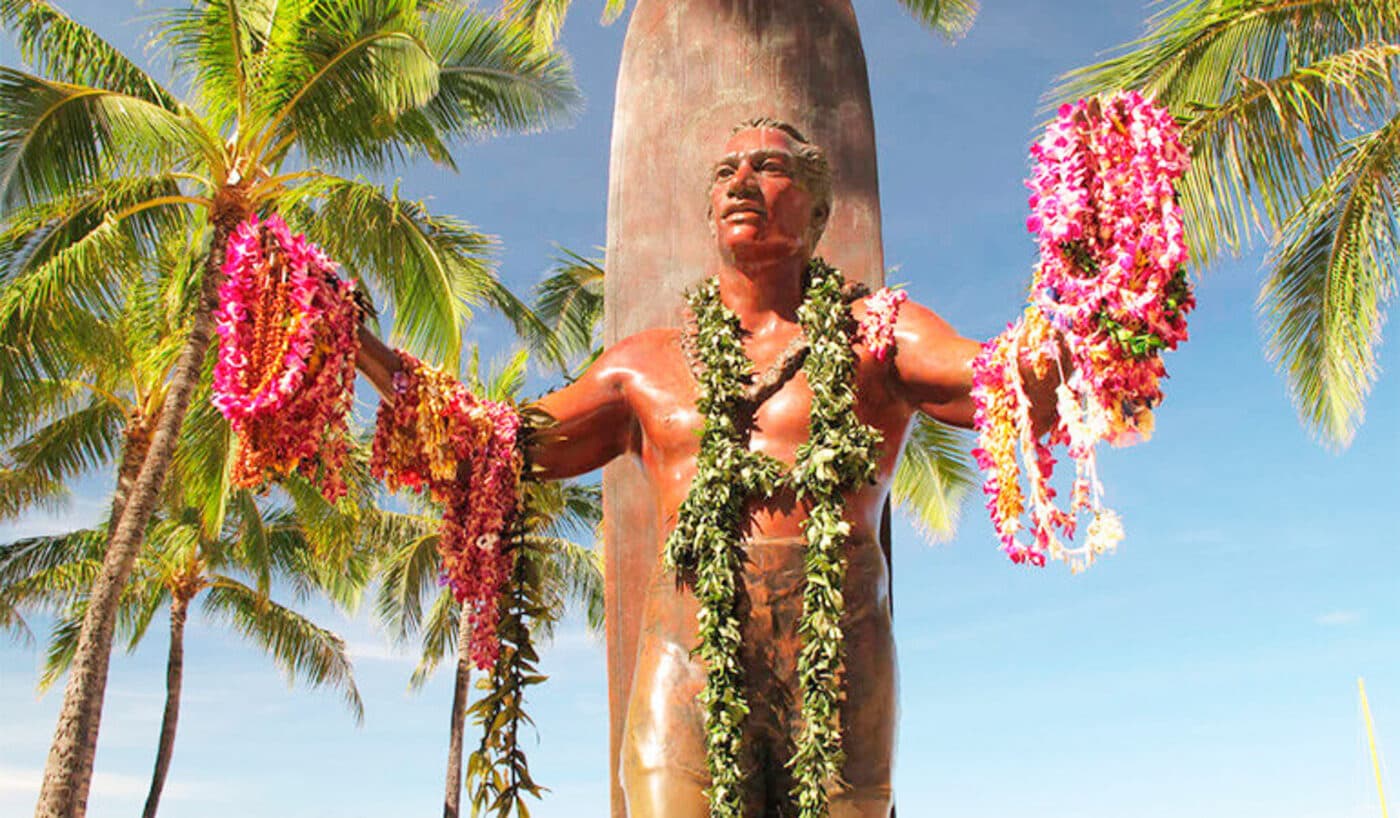
Although Hawaiian culture was suppressed by European settlers in the 19th century, wave-riding stayed alive in the early 20th century through a handful of boys from Waikiki Beach. Fortunately for the world, one of them was an Olympic swimming champion named Duke Kahanamoku, who gave demonstrations as he travelled the world. Duke is revered as the father of modern surfing.
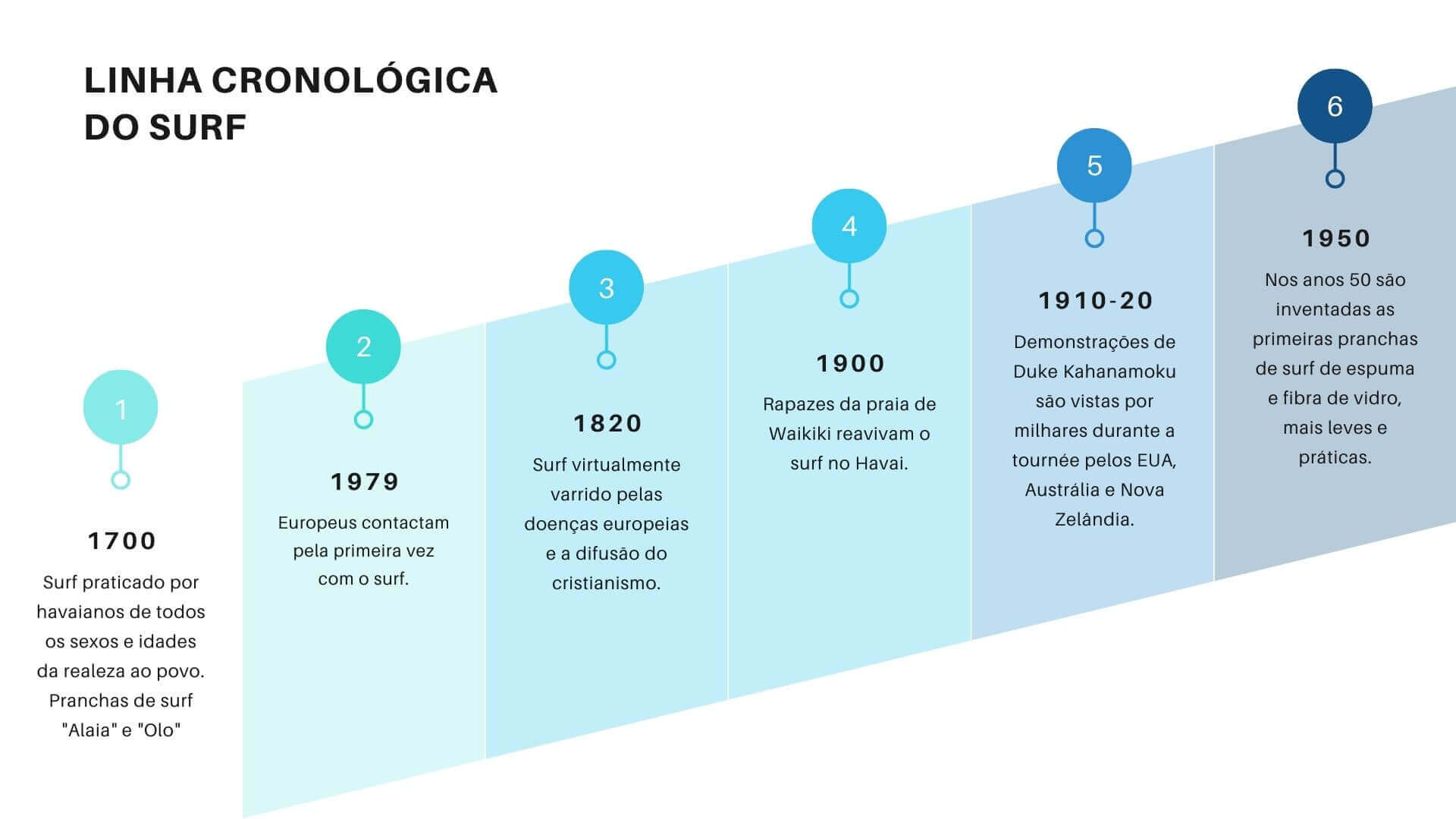
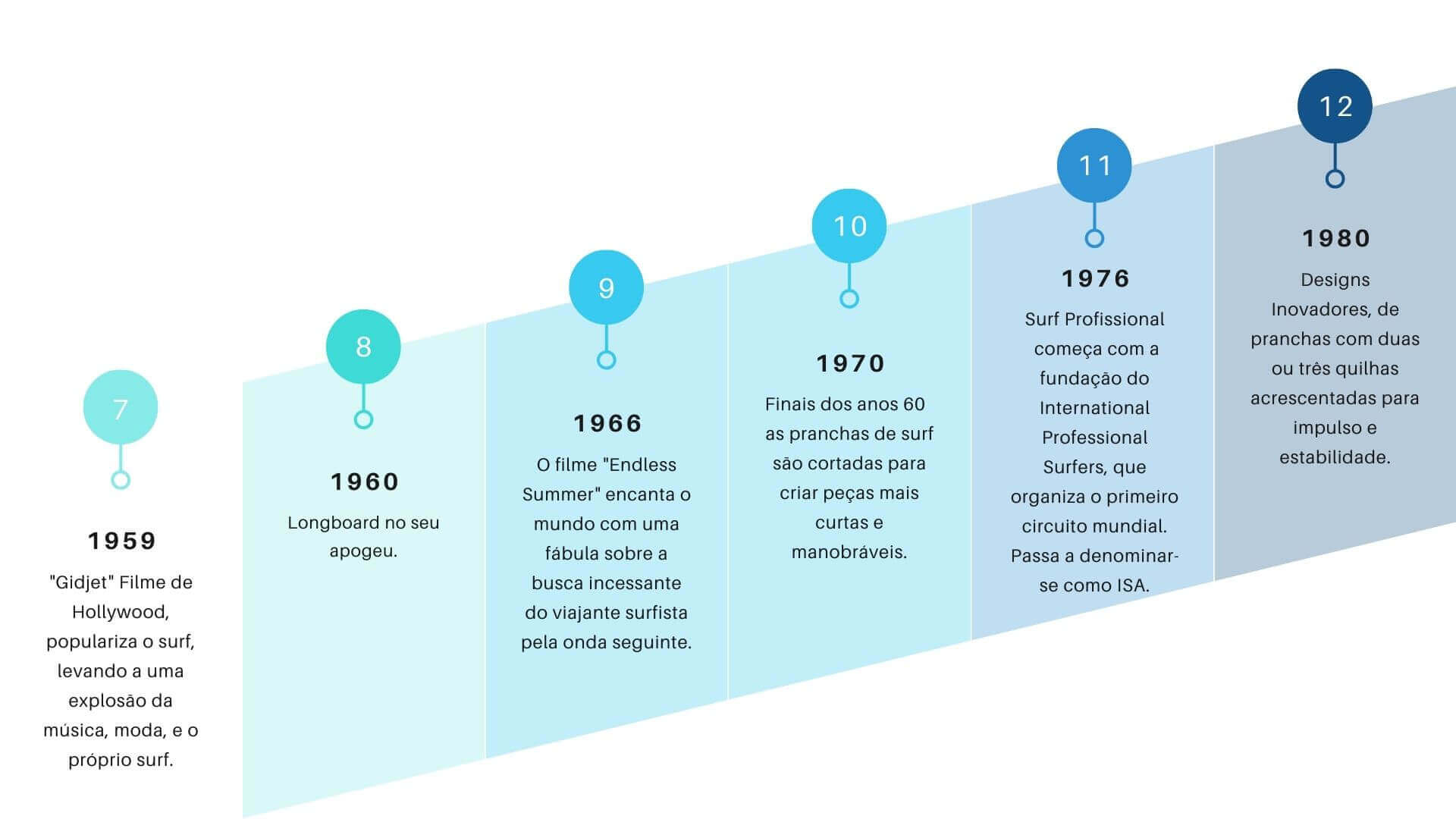
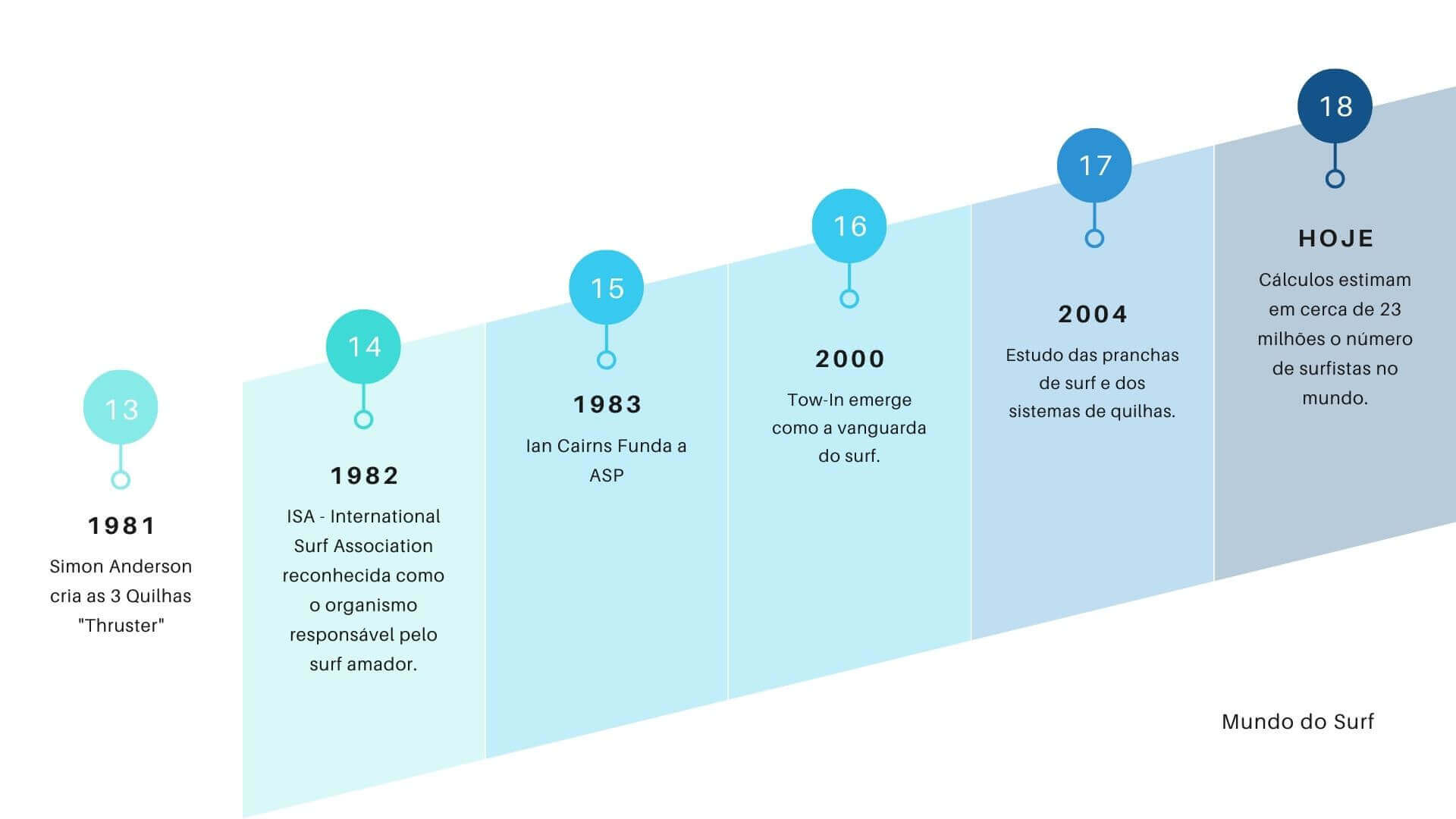
Today, Duke's legacy includes a world circuit for elite professional surfers and a thriving industry of fashion, music and film. Surfboards have evolved from huge solid blocks of wood, 3 m long and weighing 45 kg or more, into high-performance objects as light as feathers.
Tow-in, using jet-skis, is opening the door to gigantic ocean waves. The race is open for the first surfer to ride a 30-metre wave.
Surf styles
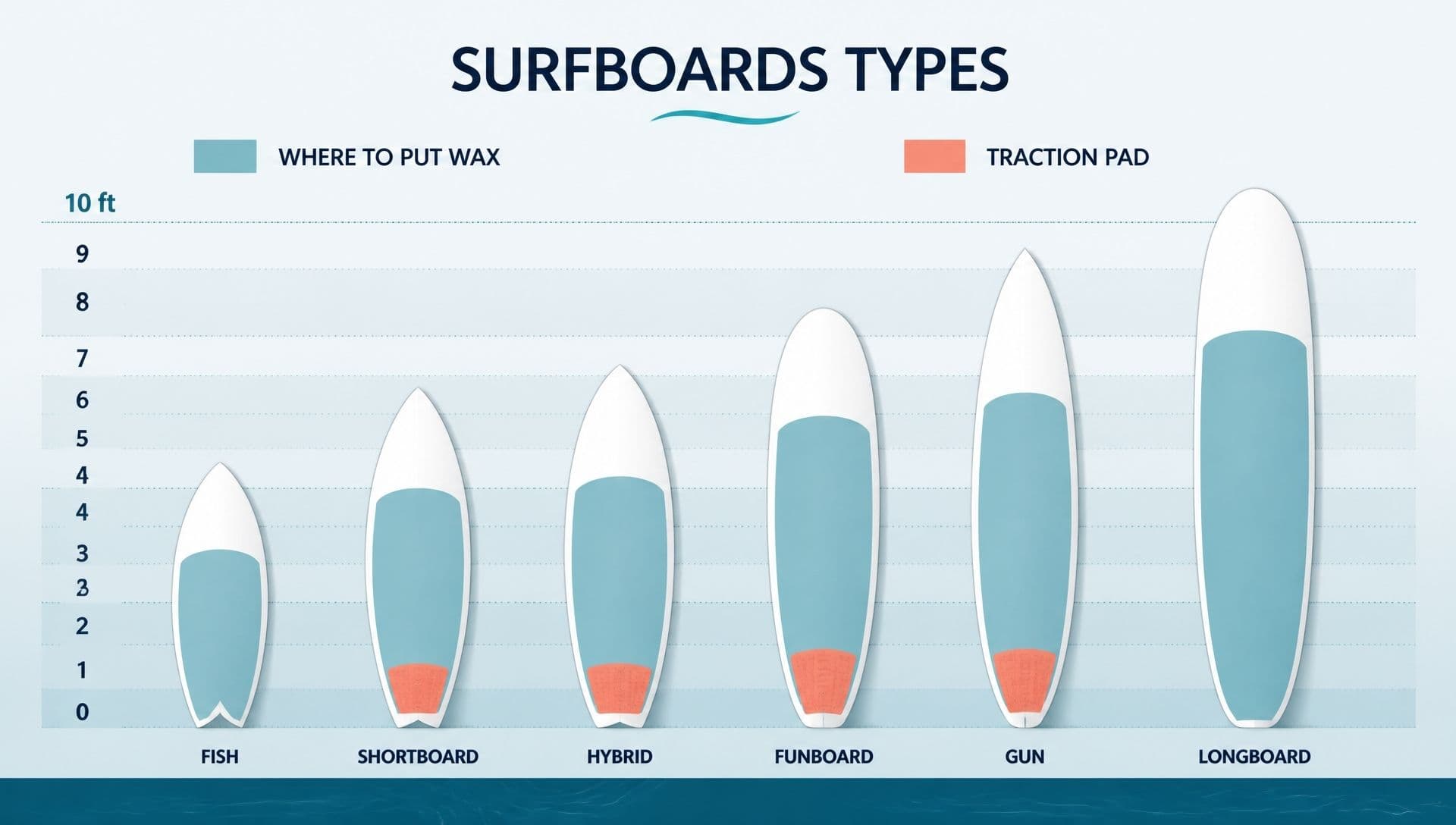
The two main forms of surfing are the longboard and the shortboard. Small, long waves and close-outs (they break simultaneously along their whole length) are perfect for longboards, while larger, hollow waves that close out on the beach or on rocks are generally best suited to shortboards.
The longboard, usually 3 metres long, evolved from traditional Hawaiian surfboards, gradually taking on more refined curves and lighter materials. Shortboards usually measure 2 metres or less.
The shortboard revolution
The so-called shortboard revolution began around 1966, when adventurous surfers literally started sawing and reshaping the nose of their surfboards, so as to make them more manoeuvrable.
Within a few years, surfboards shrank from 3 to 2 metres or less, and each generation since then has developed more radical styles of surfing based on fast, abrupt changes of direction, radical manoeuvres and deep tubes.
To keep pace, surfboards incorporated two, then three or more fins, and became ever thinner, lighter and more curved.
The longboard revival
In the late 1990s there was a resurgence of the longboard, when many older surfers returned to the waves and discovered the pleasures of simple, unhindered gliding and of the longboard's grace.
Since then, many of the experimental designs of the 1970s and 1980s have been discovered, such as the fish and the twin-fin.
Today, surfers ride every kind of surfboard, switching between short and long and vice versa, according to the conditions. The choice is yours, but as a sensible surfer once said, "there is no bad surf, only the wrong choice of equipment."
Share